Feb 2,2026.
From Power Crisis to Structured Growth: South Africa’s Solar Market Outlook for 2026 | Art Sign
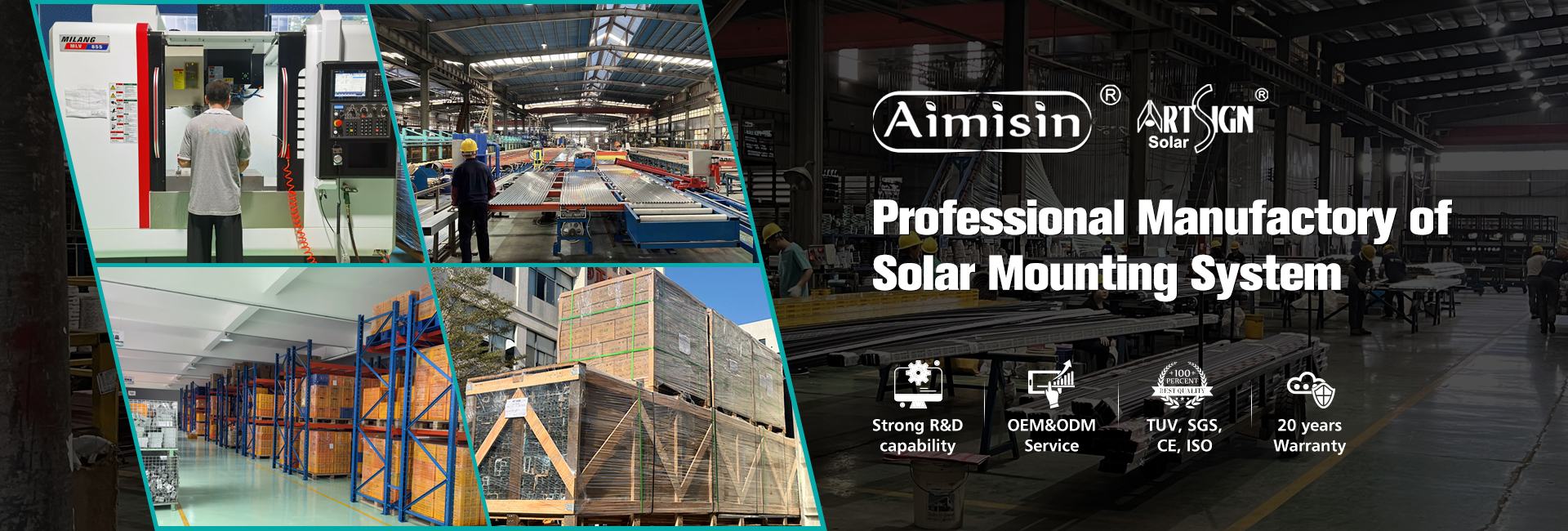
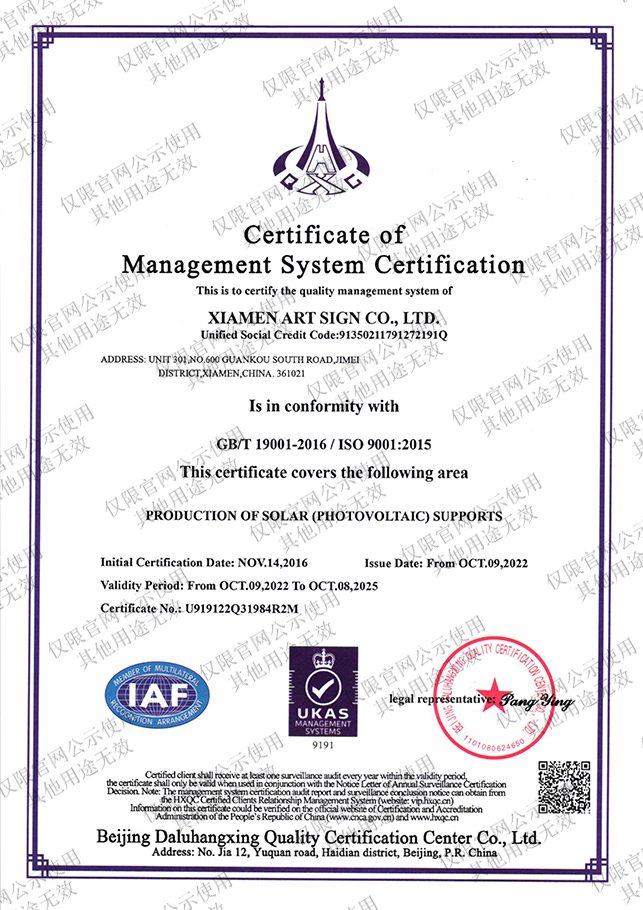
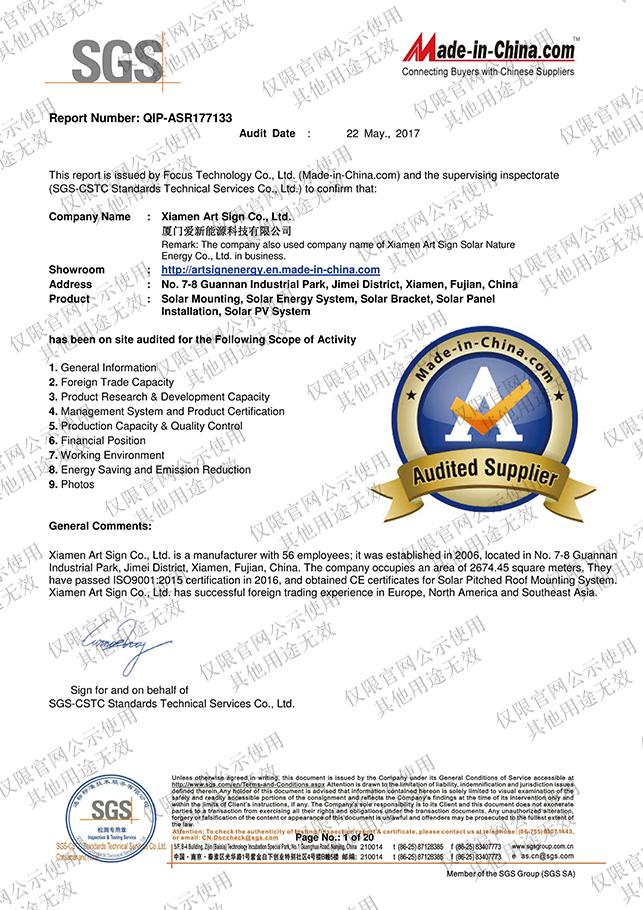
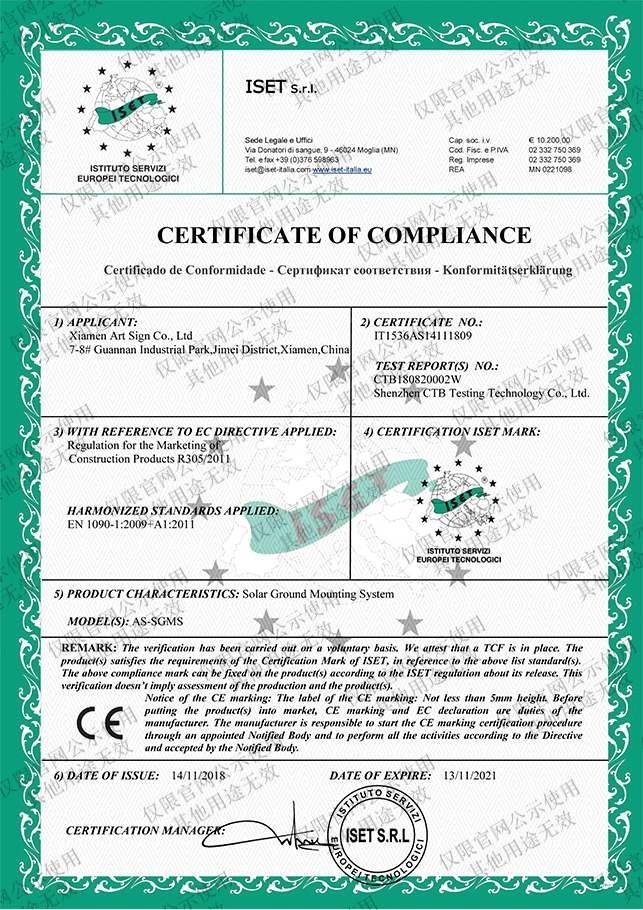
As global decarbonization accelerates, South Africa’s solar market is transitioning from emergency-driven deployment toward a phase of structured and sustainable growth. Prolonged energy shortages, rising electricity tariffs, and abundant solar resources have positioned South Africa as the most dynamic photovoltaic (PV) market in Africa. 1. Macro Environment and Market Scale Abundant Solar Resources South Africa benefits from exceptional solar conditions, with most regions receiving more than 2,500 hours of sunshine annually, providing ideal foundations for large-scale PV development. Rapid Market Expansion Cumulative installed PV capacity by end of 2025: approximately 10 GW Expected total capacity in 2026: exceeding 12 GW Economic Competitiveness Eskom, the national utility, continues to face structural power shortages Industrial electricity tariffs increase at double-digit rates annually As a result, the Levelized Cost of Electricity (LCOE) of solar PV has become highly competitive across multiple segments. 2. Market Segmentation Market Segmentation: Where Growth Is Concentrating Utility-Scale Solar: Policy Continuity with Grid Constraints South Africa’s Renewable Energy Independent Power Producer Procurement Programme (REIPPPP) remains a cornerstone of utility-scale solar development. Bid Window 7 marked a strong recovery, awarding nearly 4,000 MW of PV capacity. A notable structural shift in 2026 is the emergence of privately developed substations and transmission assets, enabling large independent power producers (IPPs) to bypass grid bottlenecks—particularly in high-resource regions such as the Northern Cape. Commercial & Industrial (C&I): The Core Growth Engine The C&I segment has become the most active and resilient part of the market. Mining operations, manufacturing facilities, logistics centers, and retail complexes are accelerating investments in solar-plus-storage systems to secure operational continuity. The removal of licensing requirements for self-generation projects above 100 MW has significantly boosted private power purchase agreements (PPAs), allowing companies to hedge against grid instability and volatile electricity prices. Residential Solar: From Early Adopters to Mass Market After rapid early adoption among high-income households in major cities, residential solar deployment is gradually expanding into secondary cities and middle-income segments. This shift is supported by green financing products, including energy loans and leasing models offered by local banks, which have lowered the entry barrier for homeowners. Artsign energy as one of top 10 solar mounting manufacturer, with over 20 years experience solar mounting in the design, engineering, and production of solar racking solutions.Focusing on high-strength aluminum and steel PV structures designed for durability, safety, and fast installation in global markets. With advanced manufacturing facilities, strict quality control, and international certificat...
Feb 2,2026.